Walk through enough stone fabrication shops and you’ll notice something interesting.
Some shops seem to gain momentum every year. They take on larger projects, strengthen relationships with builders and contractors, and continue finding ways to increase production without creating chaos on the shop floor.
Others reach a point where growth becomes difficult.
Schedules stay full, but profits don’t increase at the same pace. Production bottlenecks begin appearing. Lead times stretch longer. The owner spends more time solving problems than planning for the future.
The difference often isn’t talent, effort, or even demand.
More often than not, it comes down to three things: capacity, consistency, and control.
The shops that continue growing intentionally invest in all three before they become limitations.
Capacity is a Competitive Advantage
When a contractor calls needing fifteen kitchens in three weeks, the shop that can confidently say yes often wins the project.
Not because they have more employees, but because they’ve built an operation capable of handling increased demand.
Many fabrication shops today already have CNC equipment. The question isn’t whether automation matters. The question is where the next bottleneck exists.
For some shops, it’s a saw that’s running at full capacity. For others, it’s edge work, sink production, material handling, or a machine that has become the limiting factor in the production process.
Every growing shop eventually reaches a point where demand begins pushing against its existing capacity. The owners who continue growing recognize those bottlenecks early and address them before they begin impacting customer service or revenue.
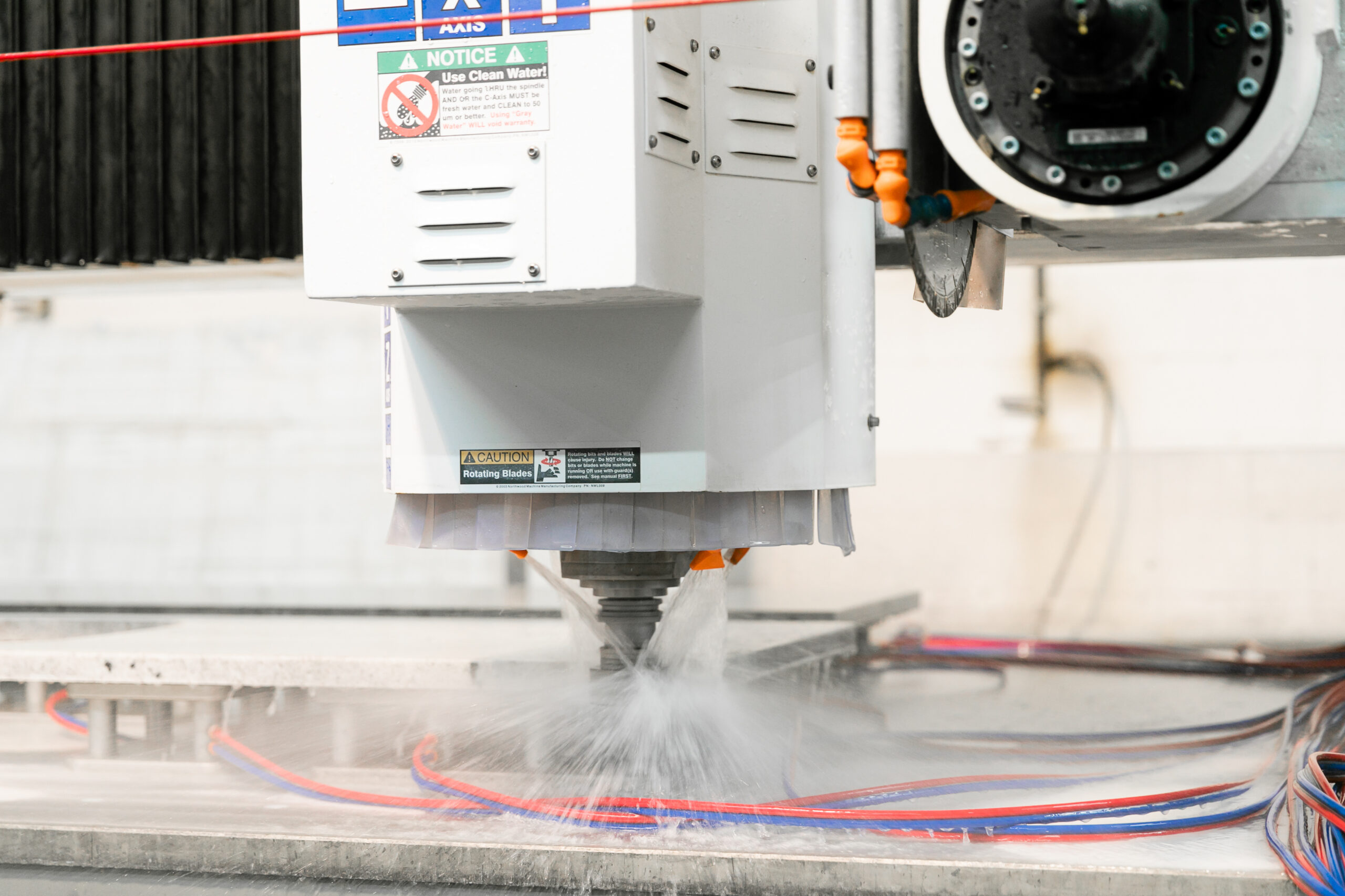
Whether that means adding a sawjet, investing in a fabrication center, or expanding overall CNC capacity, the objective remains the same: increase output without increasing complexity.
The shops landing larger contracts and developing long-term builder relationships aren’t always the biggest operations. More often, they’re the shops that have intentionally created room to grow.
Consistency Protects Your Reputation
Capacity creates opportunity, but consistency protects it.
One bad cut. One edge profile that doesn’t match. One seam that’s off.
In a world where every contractor and homeowner has access to Google reviews, your reputation is built on what happens on the production floor.
Customers rarely leave reviews because everything went exactly as expected. More often, reviews are written when something goes wrong.
That’s why consistency matters.
As a shop grows, maintaining quality becomes more challenging. More jobs, tighter schedules, and increased production can expose weaknesses in equipment, processes, and workflow.
The most successful fabrication shops understand that consistency isn’t just a quality issue—it’s a business issue.
Reliable equipment and repeatable processes help ensure that the tenth job looks just as good as the first. That consistency builds trust with builders, designers, contractors, and homeowners alike.
When customers know what to expect, they come back.
When contractors know they can rely on your team, they keep sending work your way.
Over time, that trust becomes one of the strongest competitive advantages a shop can have.
Control Changes Everything
Many fabrication shops aren’t struggling because they lack demand.
They’re struggling because they’ve lost control of the production process.
Production schedules become reactive. Rush jobs disrupt workflow. Equipment limitations create delays. Owners spend their days solving problems instead of growing the business.
At a certain point, the issue is no longer how much work is available.
The issue is whether the operation can handle that work efficiently.
The most successful fabrication shops create systems that allow them to stay ahead of challenges rather than constantly reacting to them.
When production capacity is available, scheduling becomes easier.
When equipment is reliable, deadlines become more predictable.
When workflows are streamlined, teams spend less time waiting and more time producing.
Control creates flexibility, and flexibility creates opportunities.
It allows a shop to take on larger projects, respond to customer needs more quickly, and maintain profitability even as demand increases.
That’s a significant competitive advantage in today’s market.
The Shops Pulling Ahead All Have One Thing in Common
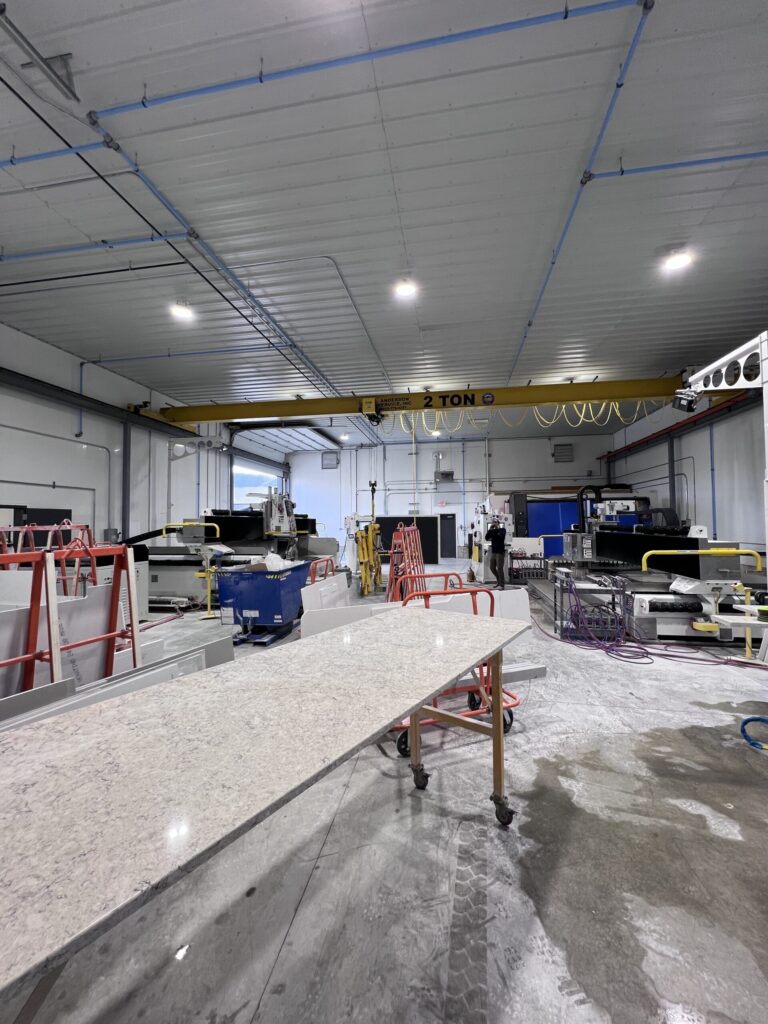
The best fabrication floors feel different when you walk through them.
There’s a sense of flow.
Jobs move efficiently from one stage to the next. Equipment supports production instead of slowing it down. Teams spend less time fighting bottlenecks and more time delivering finished work.
Most importantly, the owner isn’t trapped in a constant cycle of problem-solving.
They’re focused on growth.
The fabrication shops pulling ahead today aren’t waiting for labor shortages to improve or hoping production challenges solve themselves.
They’re investing in capacity, consistency, and control before those limitations begin holding them back.
That’s what allows them to take on larger projects, strengthen customer relationships, improve profitability, and continue growing year after year.
If you’re evaluating where your shop needs to be over the next three to five years, Northwood Machine would be happy to have that conversation.
Contact Robbie Tidwell at Robbie@NorthwoodMachine.com.